

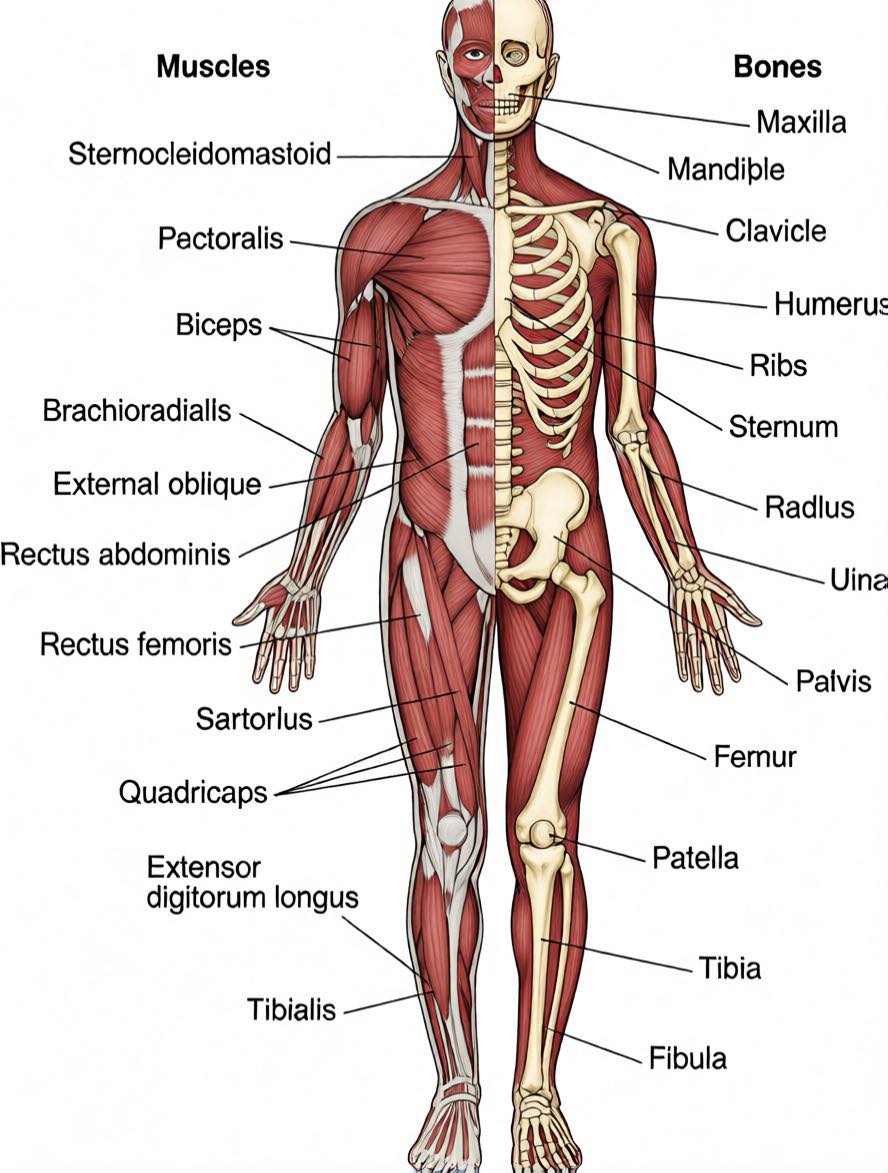
The Musculoskeletal System And Lupus
It is not uncommon for people with lupus to experience muscle aches and pain (myalgias) or have inflammation of certain muscle groups (myositis), which causes weakness and loss of strength. More than 90 percent of people with lupus will experience joint and/or muscle pain at some time during the course of their illness. In fact, more than half of the people who develop lupus mention pain in their joints as their first symptom.
Muscle pain and muscle tenderness, especially during periods of increased disease activity (flare), occur in as many as 50 percent of those with lupus. The symptoms may have different causes, so it is important for your physician to determine the cause of your problems, since treatments are quite varied. Rheumatologists are the physicians who specialize in the joints, muscles, and bones.
Muscle aches and pain may be from symptoms that happen when your body is responding to some type of inflammation, from muscle atrophy (weakness), or from a true myositis.
Inflammation
Inflammation is the most common reason for muscle pain and aches. Any time that major inflammation exists (“strep” throat, hepatitis, cancer, lupus, acute heart attack, etc.), signs and symptoms often include fevers, sweats, chills, fatigue, weight loss, and various muscle aches, pains, and weakness. These non-specific, non-diagnostic symptoms are signs of your body’s inability to cope with whatever process has overwhelmed it. Because lupus is an inflammatory disease it may cause any of these problems. These myalgias are a secondary part of the overall disease.
Lupus Arthritis
Lupus arthritis causes pain, stiffness, swelling, tenderness, and warmth in your joints. The joints most often affected are the ones farthest from the middle of your body, such as fingers, wrists, elbows, knees, ankles, and toes. General stiffness when you wake up in the morning, which gradually improves as the day goes on, is a key feature of lupus arthritis. However, you may notice joint pain later in the day. Several joints are usually involved, and the inflammation will affect similar joints on both sides of your body. Compared to rheumatoid arthritis, lupus arthritis is less disabling and less likely to cause destruction of the joints. Fewer than 10 percent of people with lupus arthritis will develop deformities of their hands and feet associated with weakening of cartilage and bone.
Muscle atrophy (wasting away of muscle strength) may occur if your arthritis becomes chronic. When a joint hurts, you probably don’t use it as much.
Lupus Myositis
Some people with lupus develop myositis, an inflammation of the skeletal muscles that causes weakness and loss of strength. Lupus myositis often affects the muscles of your neck, pelvis, thighs, shoulders, and upper arms; difficulty in climbing stairs and getting up from a chair are early symptoms. Later symptoms may include difficulty lifting objects onto a shelf, lifting your arm to comb or brush your hair, getting out of the bath, and even raising your head or turning over in bed. An exercise program supervised by a physical therapist is helpful in regaining normal muscle strength and function.
Drug-induced Muscle Weakness
Muscle weakness also may be a side effect of certain drugs used to treat lupus and related conditions, including prednisone and other corticosteroids, cholesterol-lowering drugs, and hydroxychloroquine (Plaquenil®). Therefore, drug-induced muscle disease should be ruled out as a cause of weakness if you are taking any of these medications, as drug-induced muscle weakness usually does not produce elevated levels of muscle enzymes as is seen in lupus myositis. Adjusting or stopping the drugs that are causing the muscle weakness usually brings about an improvement of muscle strength.
Tendonitis and Bursitis
A tendon is a strong ropelike structure made of tough fibers that attaches muscle to bone. A bursa is a small sac containing a slippery fluid that is usually found near a joint and allows muscles, bones, and tendons to move easily. Tendonitis (irritation of a tendon) and bursitis (irritation of a bursa) are usually due to damage or overuse of a joint. Pain is the major symptom of both conditions. Different areas of your body may be affected; common areas include the elbow (tennis elbow), the finger (trigger finger), and the shoulder. In addition, tendons and bursas are both lined with synovial membrane, which is a target for inflammation in lupus arthritis.
Carpal Tunnel Syndrome
Pressure on the central nerve in the wrist causes a condition called carpal tunnel syndrome. It is characterized by tingling, numbness, and pain in the fingers, which sometimes affects the entire hand. A number of medical conditions, including lupus, can cause carpal tunnel syndrome. When carpal tunnel occurs with lupus, it is usually because inflammation in your wrist is putting pressure on the nerves.
Osteoporosis
Osteoporosis is a disease in which bones become fragile and are more likely to break. The areas most often affected are your spine, hip, and wrist. The word “osteoporosis” means porous (porus) bone (osteo). Bones are a living tissue, constantly changing and being renewed. This takes place in two stages: the breakdown of old bone cells, and the forming of new bone cells. During the breakdown process, special cells become active on the surfaces of the bones and create small cavities. This is followed by bone formation, during which bone-building cells fill the cavities with new bone. If the bone that is removed is completely replaced, your bones will remain strong. In osteoporosis, too much bone is removed and/or too little bone is formed. This process leads to a loss in the amount and strength of bone.
When you have lupus you are at risk for osteoporosis for many reasons:
lupus itself is a risk factor
some drugs prescribed for lupus, especially corticosteroids, reduce bone mass
changes in levels of protective hormones (like estrogen) also reduce bone mass
not enough calcium and Vitamin D in your diet can prevent bone from growing normally
not enough bone-building exercise also can prevent bone from growing normally
being a women means that you will have smaller, less dense bones than men
However, these factors also increase osteoporosis risk:
having a small-boned and thin body type
female
being of Caucasian or Asian heritage
being a smoker
If you have two or more of these risk factors, talk to your doctor about having your bone mineral density tested. In many cases, osteoporosis can be prevented if proper measures are taken when warning signs first appear.
Avascular Necrosis of the Bone
Avascular necrosis (AVN) of the bone (also called aseptic necrosis or osteonecrosis) is characterized by reduced blood flow and increased pressure within a portion of the bone. Weakening of the bone occurs, causing tiny breaks, and eventually the bone surface collapses. The causes of AVN are not known, but it is associated with long-term use of high doses of corticosteroids, alcohol abuse, sickle cell anemia, pancreatitis, trauma, and other conditions. When AVN develops in people with lupus, it is almost always a result of corticosteroid use.
Your hips, shoulders, and knees are most commonly affected by AVN, and the initial symptom is pain in these joints, especially when you are engaged in weight-bearing activities such as walking, running, and lifting objects. These types of motions lead to stiffness, muscle spasms, and limited movement of the affected joint. If your condition becomes more advanced, pain may occur when you are at rest, especially at night. Currently there is no effective medical treatment that can reverse this condition. In advanced cases, surgery (including artificial joint replacement) can be effective in relieving pain and improving mobility and function.